Tile by Tile: How the Pattern Skills Behind Mahjong Can Sharpen Your Instincts on Any Casino Game
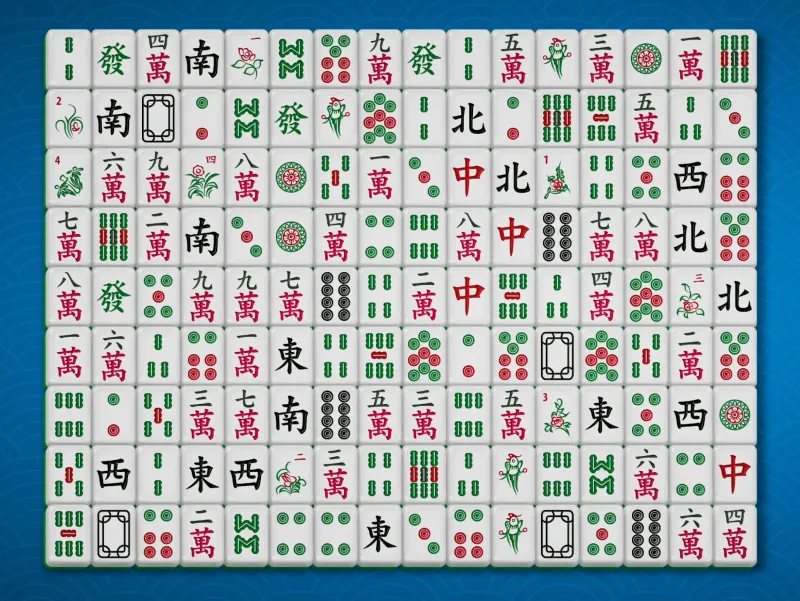
Photo: mahjong tiles pattern strategy game close up, via themahjong.com
There's a reason Mahjong has survived for centuries across dozens of cultures and spawned competitive circuits that rival poker in complexity. The game isn't just about luck. It's about reading — tiles, sequences, what your opponents are holding, what the wall is likely to give you next. Strip away the cultural trappings and what you have is one of the most sophisticated pattern-recognition engines ever designed as a game.
Here's the part that should get your attention as a DU88Z player: those same cognitive skills transfer. Directly.
What Pattern Recognition Actually Means in a Casino Context
Let's be precise, because "pattern recognition" gets thrown around loosely. We're not talking about the gambler's fallacy — the mistaken belief that a roulette wheel "owes" you a red because black has come up six times. That's not pattern recognition. That's wishful thinking dressed up in logic clothes.
Real pattern recognition in casino gaming means something more nuanced:
- Identifying volatility signatures. Some slots pay frequently in small amounts; others cluster wins with long dry spells. Learning to read which mode a game is in based on recent behavior is a skill, not a superstition.
- Reading table rhythm. In card games, the pace of play, the betting patterns of other players, and the dealer's frequency of busts all contain information. Trained pattern readers absorb this passively.
- Recognizing your own behavioral loops. This one's underrated. Pattern recognition isn't just external. Noticing when you're starting to chase, or when you're playing on autopilot, is pattern awareness turned inward.
Mahjong develops all three of these capacities — and it does it in a way that's genuinely fun to practice.
The Cognitive Mechanics of a Mahjong Round
Consider what a skilled Mahjong player is actually doing during a game. They're holding a hand of tiles while simultaneously:
- Tracking which tiles have been discarded (and therefore can't complete their sequences)
- Reading opponents' discards to infer what hands they're building
- Calculating the probability that the tile they need is still in the wall
- Deciding whether to keep building toward a high-value hand or pivot to a safer, faster win
That's a live, multi-variable probability engine running in real time. And the more you play, the more automatic it becomes — which is exactly what cognitive scientists call "chunking": the brain's ability to process complex information as single units rather than separate calculations.
Translate that to a blackjack table or a video poker screen and the parallel is obvious. The player who has trained their brain to process multiple information streams simultaneously without getting overwhelmed is operating at a different level than someone making decisions one card at a time.
Asian Tile Games That Build the Same Muscle
Mahjong isn't the only game in this tradition worth your attention. A few others that develop complementary skills:
Dominoes (Chinese variant): Chinese dominoes use a different pip structure than Western sets and require players to track a much larger possibility space. The counting discipline it builds is directly applicable to any game where card or tile composition matters.
Shogi (Japanese Chess): Where Western chess pieces are captured and removed from play, in Shogi they can be reintroduced by the capturing player. This creates a dramatically more complex pattern environment and trains players to think in terms of resource cycles — a concept that maps cleanly onto bankroll management.
Hanafuda: This Japanese card game built around flower-themed suits trains players to identify scoring combinations across a visually complex deck. The translation to slot payline recognition is surprisingly direct.
Practical Exercises to Build Your Pattern Game Before Your Next DU88Z Session
You don't need a physical Mahjong set or a Shogi board to start sharpening these skills. Here are exercises you can run right now:
Exercise 1: The Discard Diary Next time you're playing any card game at DU88Z, keep a mental (or literal) running count of what's been played. Don't try to use it to calculate anything at first — just practice the habit of noticing. Within a few sessions, the tracking becomes automatic.
Exercise 2: The Pre-Session Scan Before you place your first bet, spend 60 seconds observing a game without wagering. Watch how the outcomes cluster. Are wins coming in short bursts or spread evenly? This observation habit is the direct equivalent of reading the discard pile before deciding which tile to hold.
Exercise 3: The Pivot Drill In Mahjong, one of the hardest skills is abandoning a hand you've invested in because a better opportunity emerged. Practice this at DU88Z deliberately. If a game isn't performing the way you expected after 10-15 rounds, consciously evaluate whether to pivot to a different game — not based on frustration, but based on the data you've collected.
Exercise 4: Daily Pattern Puzzles Apps like Mahjong Solitaire or even logic puzzle games train the same visual chunking ability. Ten minutes a day of this kind of structured pattern work has measurable effects on how quickly your brain identifies meaningful sequences versus random noise.
The Bottom Line: Skills Stack
The best DU88Z players aren't just lucky. They're trained — often without even realizing it — through years of exposure to games that reward observation over impulse. If you didn't grow up playing Mahjong, that's fine. You can build the same skills deliberately.
Start with the exercises above. Play a few rounds of Mahjong online. Pay attention to what your brain does when it's working well versus when it's just reacting. That awareness is the foundation of every genuinely smart bet you'll ever make.